Running a vehicle fleet in 2026 feels like a constant juggling act. While some costs have steadied, the overall expense of keeping your cars and vans moving remains at an all-time high. For many fleet managers, the main concern isn’t just today’s costs, it’s making sure you get the best deal, and the optimum solution, for a vehicle that will be on fleet for the next 3-4 years.
Contract hire offers fixed costs, but monthly rentals can vary by up to £50 per month for exactly the same vehicle and contract, depending on which leasing provider you choose and their views on forecasted residual values and budgeted maintenance costs.
Ownership brings flexibility, but leaves you with the risks of volatile resale values and unpredictable maintenance costs.
As more company car drivers opt for the tax advantages of fully electric, this brings even greater volatility. Used vehicle prices for EVs have been substantially lower than forecasts predicted, and their overall running costs hard to pin down. This has resulted in many companies who previously purchased their cars switching to the risk-free, fixed costs of contract hire.
For those continuing to purchase their EVs, it remains essential to manage them carefully and learn from the used vehicle market to deliver accurate cash flow and budget forecasts for an electric fleet’s true total cost of ownership.
For many businesses, this has led to a change of tack. Many who were committed to certain funding methods are now looking more broadly, often on a vehicle by vehicle basis.
“Making an ill-calculated choice when ordering one company vehicle could result in you paying thousands more than you need to while it’s on your fleet,” says Shaun Redhead, Commercial Director at IFM. “On a fleet of 50 or 100 vehicles, a company could save hundreds of thousands of pounds through more careful procurement and management.”
“This is why we are seeing companies turn to us so that we can secure the best arrangement for each car or van, then manage it for them.”
“As an independent fleet management specialist, IFM isn’t tied to any single lender or manufacturer, which means we don’t have a hidden agenda. We look at every option, whether that’s leasing, buying, or salary sacrifice, and deliver the solution that works best for you financially and operationally.”
For contract hire vehicles, one of the simplest ways IFM helps lower costs is by putting ach vehicle out to tender with their panel of funders. This is a fast and efficient process whereby the various contract hire providers ‘compete’ for the order by submitting their best rate on the day.
IFM then secures the best deal, however to avoid their customers and drivers dealing with multiple suppliers, they manage everything for them centrally for the duration of the contract.
It offers all of the operational and service benefits of sole supply, with the financial advantages of dealing with a wide selection of funders.
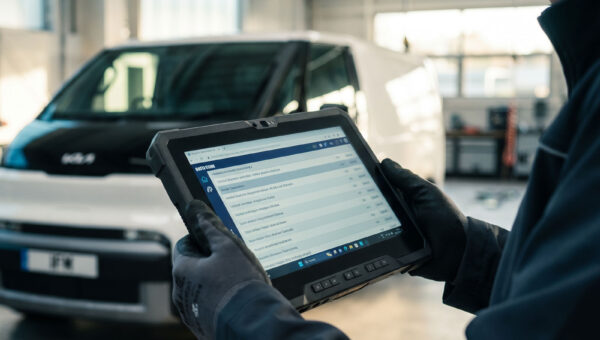
When ownership is the preferred option, the IFM team will procure each vehicle at the best price, then manage all aspects of maintenance control, downtime and in life activity all the way through to disposal. This drives down costs and maximises vehicle uptime.
“We act as an extension of our clients’ own teams, working as their own dedicated fleet department,” continues Shaun. “And because we have no formal ties with any funder or supplier, we can ensure we always achieve the best arrangement for our customers, rather than ourselves.”